
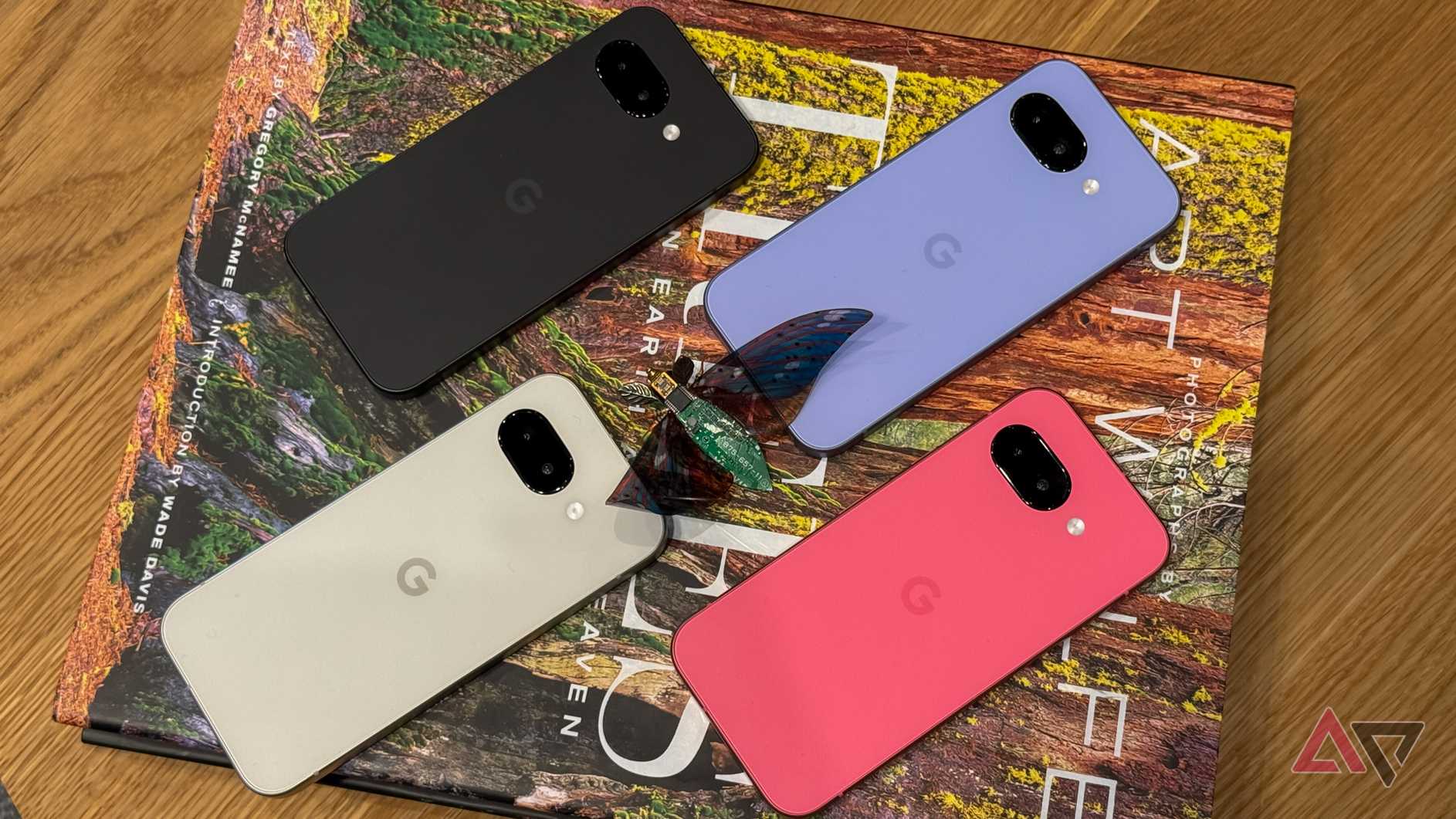
Google’s latest mid-range smartphone, the Pixel 9a, introduces a bold new design, a larger display, and a 5,100mAh battery. But despite these upgrades, the device struggles to justify its $500 price tag. Critics cite thick bezels, slow charging speeds, and the inclusion of an outdated Exynos 5300 modem as key flaws.
Google’s new Pixel 9a aims to bring flagship-like features to the mid-range market, but major design and hardware compromises hold it back. While the phone sports a refreshed look, a flat frame, and a larger 6.3-inch display, its thick bezels give it a budget feel. “One glance at the cheapest member of the Google Pixel 9 family from the front, and its thick bezels immediately stand out,” the report notes.
Performance is driven by the Tensor G4 chip, but the use of the inefficient Exynos 5300 modem raises concerns about battery drain and poor network reception. The 5,100mAh battery is a step up, but charging remains slow, capped at 23W wired and 7.5W wireless. Meanwhile, 8GB RAM could limit future AI features, despite Google’s emphasis on its Gemini platform.
At $500, the Pixel 9a faces stiff competition. The OnePlus 13R offers a larger 120Hz display, a faster Snapdragon chip, 12GB RAM, and 80W charging—all at the same price. Google’s promise of seven years of updates is a plus, but critics argue the Pixel 9a “could have been so much more.”
Until Google addresses long-standing issues, alternative options may offer better value.