
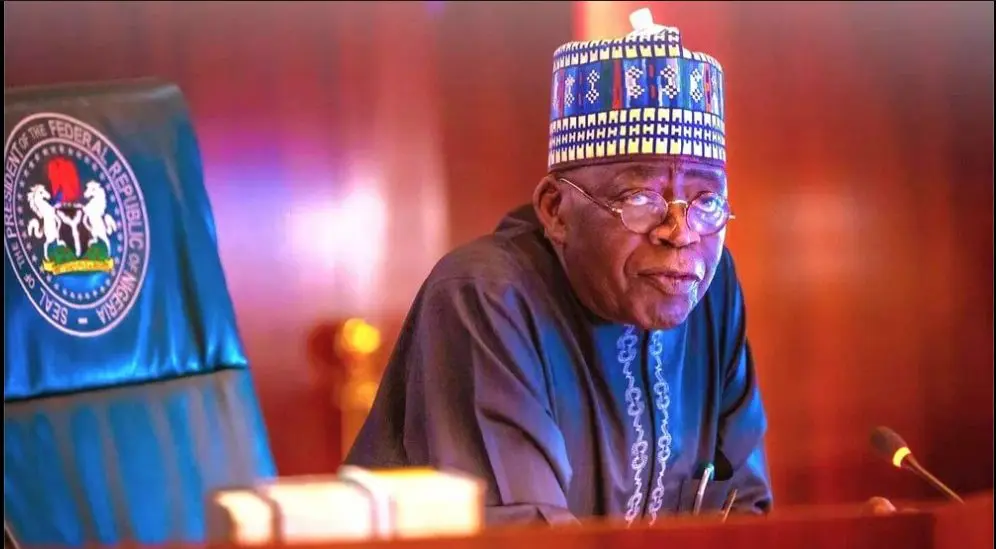
President Tinubu seeks National Assembly approval for $21.5 billion foreign loan and N757.9 billion domestic bond, pushing Nigeria’s total debt past N180 trillion.
Nigeria’s total public debt is poised to surpass N180 trillion after President Bola Tinubu requested National Assembly approval for additional external and domestic borrowings totaling N34.15 trillion.
In separate letters to the Senate and House of Representatives read during plenary on Tuesday, the President sought authorization for a $21.5 billion (N33.39 trillion) external borrowing plan spanning 2025-2026, alongside a N757.9 billion domestic bond to settle outstanding pension liabilities.
Strategic Borrowing for Development
President Tinubu emphasized that the external facility – comprising USD 21.5 billion, EUR 2.19 billion, and JPY 15 billion – would fund critical infrastructure, agriculture, healthcare, education and security projects across all 36 states and the FCT.
“This initiative aims to generate employment, promote skill acquisition, foster entrepreneurship, reduce poverty, and enhance food security,” Tinubu stated, noting the borrowing became essential after subsidy removal exacerbated infrastructure financing gaps.
Pension Bond to Clear Arrears
The N757.9 billion bond seeks to address accumulated pension arrears under the Contributory Pension Scheme. Tinubu cited revenue challenges preventing compliance with the Pension Reform Act 2014, causing hardship for retirees.
“Settling these arrears will restore confidence in the pension system and inject liquidity into the economy,” the President assured, disclosing the Federal Executive Council had approved the bond issuance in February 2025.
Mounting Debt Concerns
The new borrowings will push Nigeria’s debt stock beyond N180 trillion, coming after total public debt rose 48.6% to N144.66 trillion in 2024. Analysts expressed concerns as debt service-to-revenue ratio worsened to 131% in early 2025.
“The magnitude is concerning given exchange rate risks and existing debt service pressures,” noted Tunde Abidoye of FBNQuest. Former CIS President Olatunde Amolegbe stressed repayment capacity must be prioritized, while economist Clifford Egbomeade emphasized transparent utilization.
The Senate and House referred the requests to relevant committees for legislative action.