
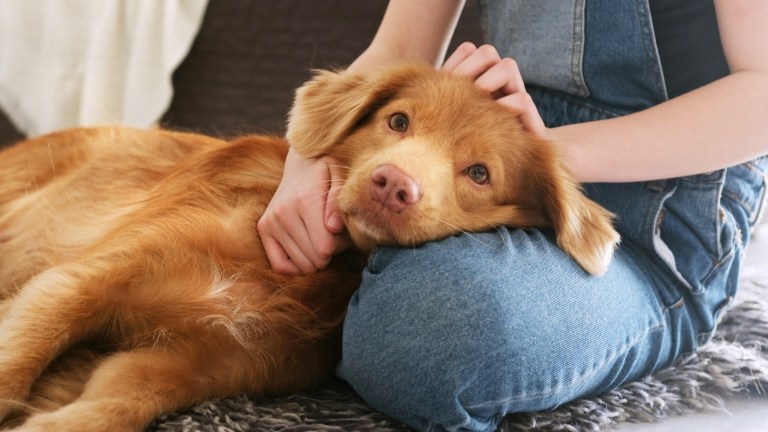
An infant who grows up with a dog cuts their risk of allergies by about 13 percent.
In a world obsessed with cleanliness, new research highlights the unexpected health benefits of exposure to animal microbes. A report from the BBC’s David Cox reveals that pets may quietly bolster immune systems by introducing beneficial bacteria into our homes.
“Some microbes are good, actually,” the article notes, with science increasingly linking animal exposure to improved immune function. Children raised among farm animals—such as the Amish—exhibit lower rates of asthma, eczema, and allergies than their Hutterite peers, despite similar rural environments.
In 2016, scientists confirmed that Amish house dust was rich in immune-boosting microbes. Similar findings emerged from Alpine farming communities. City dwellers, meanwhile, gain microbial exposure through domestic pets.
By “just existing in our homes,” pets spread helpful bacteria to skin, pillows, and lips—particularly benefiting infants. “An infant who grows up with a dog cuts their risk of allergies by about 13 percent.”
Snuggling pets, it seems, offers both emotional comfort and a microbial advantage.