
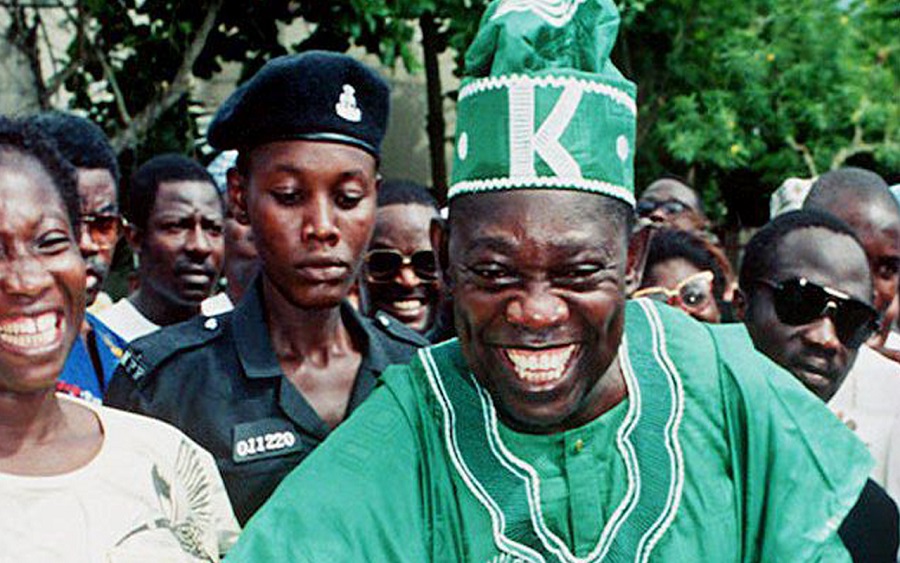
Although reports from both local and foreign observers described the election as one of the most credible in Nigeria’s history, the results were later cancelled by the then Head of State, General Ibrahim Babangida
June 12, 1993, stands as a pivotal moment in Nigeria’s political history, marking the nation’s first presidential election since military rule began in 1983. The election pitted Moshood Kashimawo Olawale Abiola of the Social Democratic Party (SDP) against Bashir Tofa of the National Republican Convention (NRC). Widely regarded by both local and international observers as free and fair, the poll was abruptly annulled by the military regime led by General Ibrahim Babangida, sparking widespread protests and deepening political instability across the country.
The fallout from the annulled election led to a turbulent period in Nigeria’s governance, culminating in the seizure of power by General Sani Abacha. As Nigerians commemorate another Democracy Day, the significance of June 12 endures—not only as a symbol of the people’s will but also as a reminder of the fragile journey toward democratic consolidation. The Guardian revisits the watershed moment by highlighting key facts that shaped and followed the historic vote.
1. Nigeria used a two-party system at the time
Only two registered parties were allowed to participate, the SDP and the NRC.
2. Both presidential candidates were Muslims
Abiola and Tofa were both Muslims, which made the ticket unusual in Nigeria’s diverse political landscape.
3. MKO Abiola was 56 years old during the election
He ran for president at a time when older candidates dominated the political scene.
4. Baba Gana Kingibe was Abiola’s running mate
While Sylvester Ugoh ran as the deputy to Bashir Tofa of the NRC.
5. Abiola reportedly won in 20 states
He even won in Kano, the home state of his opponent, Bashir Tofa.
6. Tofa won in 11 states
Despite losing his stronghold, he managed to secure wins across 11 other states.
7. The election was judged free and fair
Observers from across the world praised it as transparent and peaceful.
8. Babangida cancelled the results citing security concerns
This sparked massive protests and political chaos across the country.
9. The electoral umpire was called the National Electoral Commission (NEC)
The NEC, headed by Prof. Humphrey Nwosu, had begun announcing results before the annulment.
READ THE FULL STORY IN THE GUARDIAN