
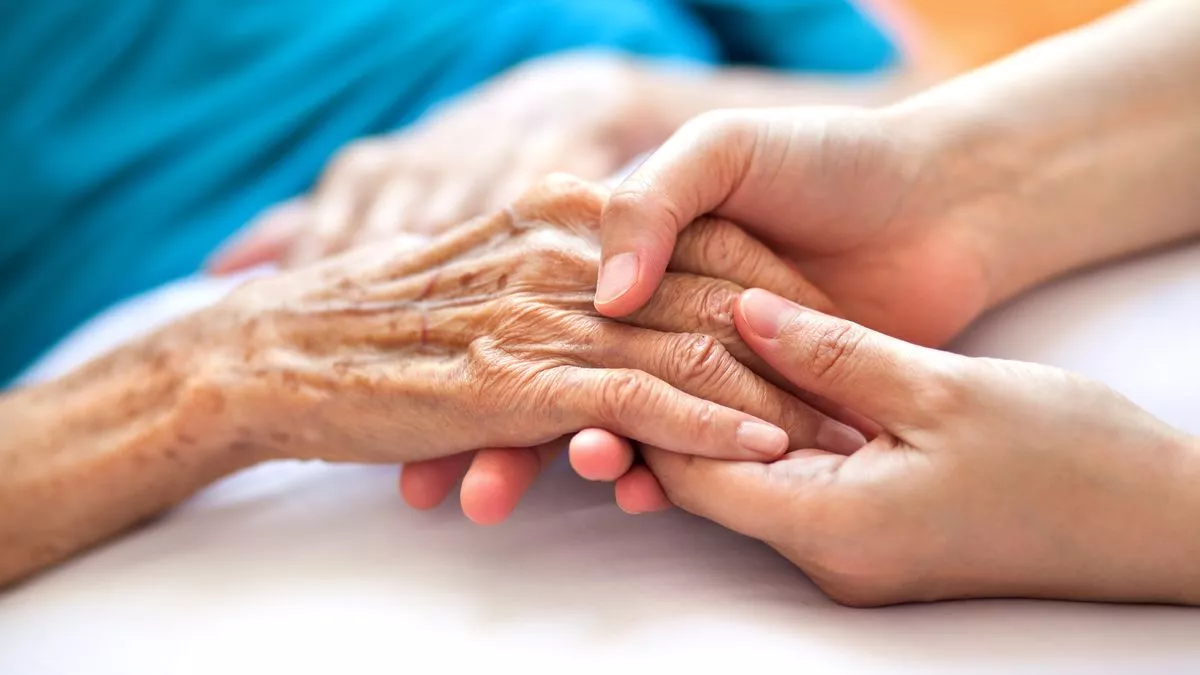
Marie Curie said: “These changes are a normal and natural part of dying. They do not usually cause the person pain or distress. If you think the person is uncomfortable or you’re worried, speak to their doctor, nurse or care home staff.”
Hospice experts at end-of-life charity Marie Curie have outlined the physical signs that often appear when a person is nearing death. According to the organisation, limbs may feel colder to the touch and the skin may appear mottled—blue or red on lighter skin, or purple or brown on darker skin. Breathing may become noisy, slow, or irregular, and the person may sleep more or lose consciousness, though they may still hear or feel loved ones near them.
“These changes are a normal and natural part of dying. They do not usually cause the person pain or distress,” said Marie Curie. “If you think the person is uncomfortable or you’re worried, speak to their doctor, nurse or care home staff.”
The exact moment of death isn’t always obvious. A person’s face may suddenly relax, their mouth may open, and their skin may appear paler or waxy. Some people with near-death experiences have reported seeing a light or loved ones. Once death occurs, Marie Curie advises notifying staff if in a hospital or hospice. At home, call the GP or nurse promptly to confirm the death and begin necessary arrangements.