
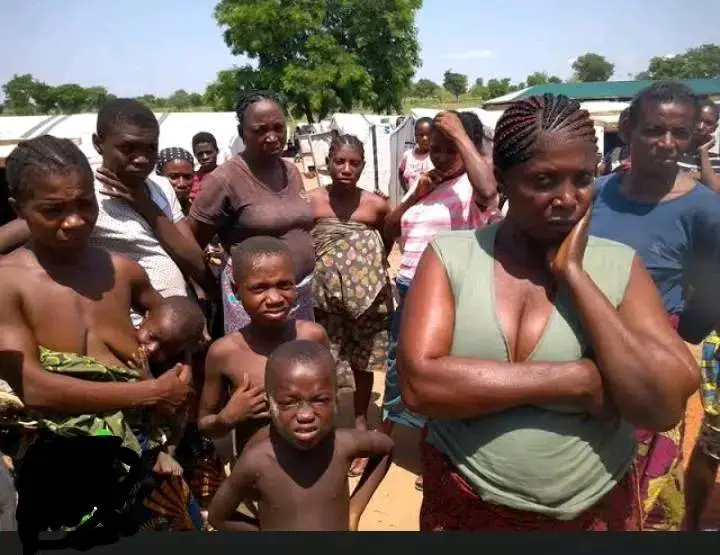
Over 300 lives lost in Benue’s darkest night as herdsmen attack leaves scars that may never heal. And will Yelewata’s survivors ever get justice?”
The people of Yelewata, a quiet farming settlement tucked along the tail end of Benue State on the Abuja-Makurdi highway, will forever remember June 13-14, 2025, not as just another date on the calendar, but as the darkest chapter in their history.
On that harrowing Friday night into Saturday morning, residents awoke to the deafening crackle of gunfire, the glow of burning homes, and the horrifying cries of children being hacked, shot, or burnt alive by suspected armed herdsmen. By dawn, over 300 lives had been extinguished, hundreds of homes reduced to ashes, and the town’s once-thriving heartbeat silenced by grief.
A Night of Unimaginable Horror
Survivors described the attack as a meticulously planned slaughter. “It was like a war. In my 57 years on earth, I’ve never witnessed this. I escaped with my third son. My wife and other children were not so lucky. My world ended that Friday night,” said Elder Amos, his voice trembling.
The massacre came weeks after traditional rulers in Tiv and Idoma lands issued an ultimatum for herders to vacate due to escalating violence. That warning went unheeded—and Yelewata paid the price.
The Faces Behind the Numbers
The victims were not just statistics—they were fathers, mothers, students, and dreamers. Among them:
-
Pharmacist Matthew Iormba, a brilliant graduate who had just returned home after completing his housemanship in Kano. He was burnt alive.
-
Tsegba Lucy, who lost her mother and five siblings when their home was set ablaze. “Go well till we meet again,” she wept.
-
Agande, a local footballer who returned from a match to find his parents and 10 family members slaughtered. “They gave me everything. And now they’re gone,” he lamented.
Franc Utoo, a lawyer and politician from Yelewata, lost 33 extended family members and over 50 political supporters. He revealed chilling details:
“We got intelligence about the attack. We informed security agents, but nothing happened. They came at night, targeting places where people gathered for safety—schools, churches, markets. They divided into groups, burning everything in their path.”
Official Denial, Public Outrage
While survivors insist over 300 were killed, Governor Hyacinth Alia’s panel claimed only 59 deaths, sparking fury.
“We lost over 300. If anyone tells you it’s 59, they’re lying,” said Samson, a youth leader.
President Bola Tinubu’s description of the killings as “reprisal attacks” drew widespread condemnation. Utoo blasted:
“That was the most unfortunate presidential comment I’ve ever seen. He never mentioned arresting the killers or aiding survivors. Just empty talk of reconciliation.”
A Community Abandoned?
Governor Alia waited 48 hours before commenting. When officials finally visited, survivors say they left without offering aid.
“We expected sympathy, but got silence,” said community leader Tever Japhet.
Security forces later tear-gassed protesters in Makurdi, arresting 14, including activist VeryDarkMan, as youths demanded justice.
Global Condemnation
Pope Leo XIV called the massacre “terrible,” urging protection for Nigeria’s rural Christians. Meanwhile, Yelewata’s survivors bury their dead—and wonder if they’ll ever find peace.
List of Confirmed Victims (Partial)
-
Fanen Chii
-
Doom Chii
-
Terzungwe Chii
… (Full list as published in report)
What Next for Yelewata?
Today, the town is a graveyard of unanswered questions. Will there be justice? Will the survivors rebuild? Or will this massacre fade into Nigeria’s endless cycle of violence—remembered only by those left to mourn?
For now, Yelewata’s people weep. And the world moves on.