
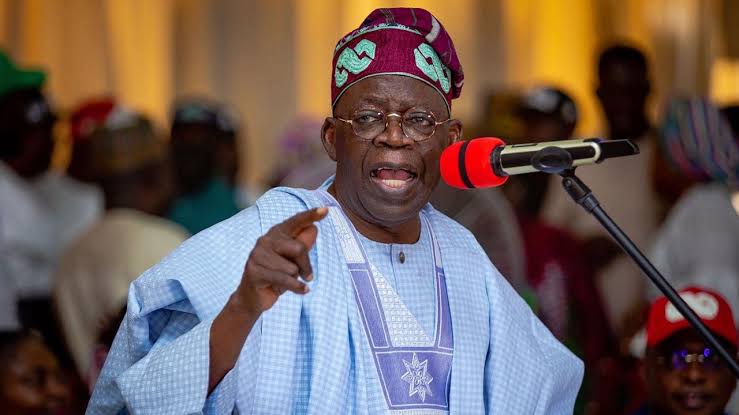
Poverty and food insecurity have risen, and the government is now focused on raising growth.
The International Monetary Fund (IMF) has acknowledged that Nigeria’s removal of fuel subsidies and unification of exchange rates have helped stabilise the country’s macroeconomic outlook under President Bola Tinubu, but warned of worsening poverty and food insecurity.
According to the IMF’s latest Article IV mission report, while investor confidence has improved and access to international financial markets has resumed, these gains have come at a social cost. “Poverty and food insecurity have risen, and the government is now focused on raising growth,” the report stated.
President Tinubu’s spokesperson, Sunday Dare, described the IMF’s assessment as a “validation” of the administration’s economic reforms. “This validation comes at a time when strong macroeconomic signals have emerged,” he said. “President Tinubu’s commitment is unwavering… these reforms, though tough, are necessary — and they are already delivering results.”
The IMF called on the government to remain focused on growth-oriented policies to address the growing socioeconomic challenges.