
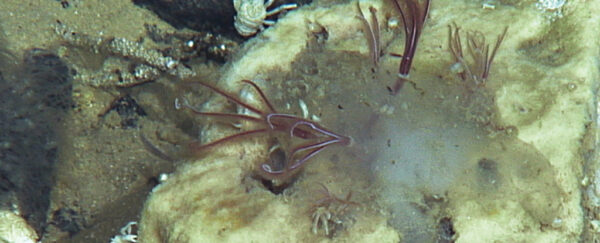
Bone-eating worms have existed in the ocean for at least 100 million years, a new study by researchers from University College London and the UK’s Natural History Museum has found.
Using CT scans, scientists examined 130 marine fossils from the Cretaceous period and identified seven new ichnospecies based on bore marks in bones of mosasaurs, plesiosaurs, and ichthyosaurs—predators that lived long before whales. These borings resemble those made by Osedax worms, which today feed on whale bones deep in the ocean.
“We haven’t found anything else that makes a similar burrow to these animals,” said paleontologist Sarah Jamison-Todd. “As the ancient bores are so similar to modern Osedax species… we assume that they were made by the same or a similar organism.”
Paleontologist Marc Jones added, “By using the remains of small organisms that make up the chalk itself, we were able to date the fossils to more precise time slices of the Cretaceous period.”
The findings suggest remarkable evolutionary stability and raise questions about marine ecosystems over millions of years.