
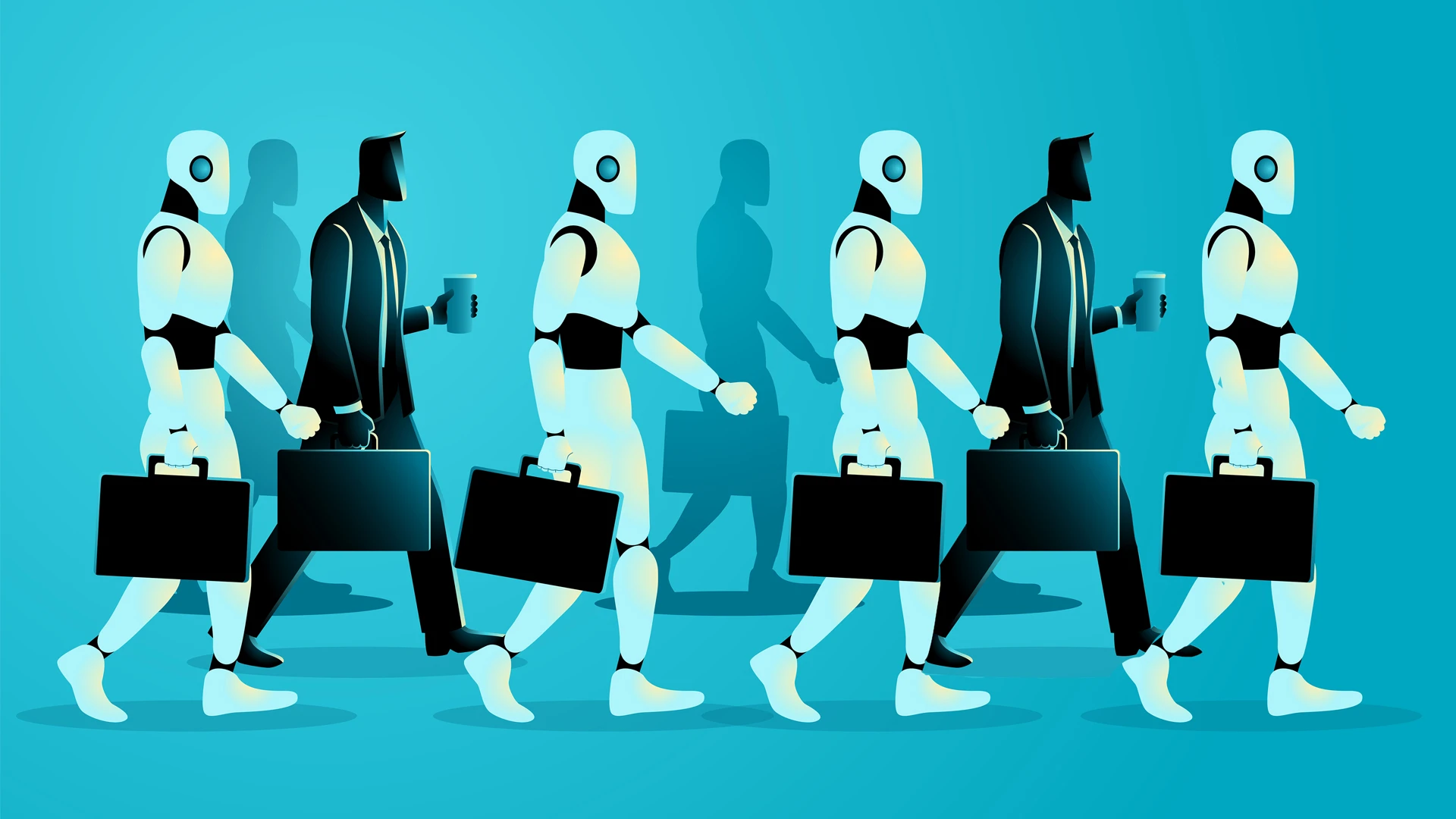
Translators, PR pros, and ticket agents are at high risk of being replaced by AI, says Microsoft study. But maids and welders are safer — for now.
A new study from Microsoft has identified 40 professions most vulnerable to disruption by generative AI — and 40 least affected — by analyzing over 200,000 interactions with its Copilot tool. According to the research, roles involving writing, communication, and data processing are already seeing widespread AI adoption, while manual or people-facing jobs remain largely untouched — for now.
“We find the highest AI applicability scores for knowledge work occupation groups… whose work activities involve providing and communicating information,” the report noted.
40 Jobs Most Threatened by AI:
- Interpreters and Translators
- Historians
- Writers and Authors
- Sales Reps
- Customer Service Reps
- CNC Tool Programmers
- Ticket Agents and Travel Clerks
- Telemarketers
- PR Specialists
- Editors
- Proofreaders
- News Analysts, Journalists
- Technical Writers
- Market Researchers
- Web Developers
- Data Scientists
- Archivists
- Political Scientists
- Demonstrators and Product Promoters
- Library Science Teachers
(Full list includes 40 professions.)
40 Jobs Least Threatened by AI:
- Phlebotomists
- Maids and Housekeepers
- Dredge Operators
- Floor Sanders
- Paving Equipment Operators
- Embalmers
- Tire Changers
- Surgical Assistants
- Roofers
- Medical Equipment Preparers
- Highway Maintenance Workers
- Foundry Mold Makers
- Dishwashers
- Gas Compressor Operators
- Ship Engineers
(Full list includes 40 professions.)
Still, researchers caution against assuming AI exposure means guaranteed job loss. “It is tempting to conclude that occupations with high overlap will experience job loss,” they write. “This would be a mistake.” Instead, AI may augment, not replace, many roles — though the line remains blurry…