
Recent videos show U.S. immigration officers using facial recognition apps like Mobile Fortify to identify people during street encounters, sparking privacy and civil rights concerns.
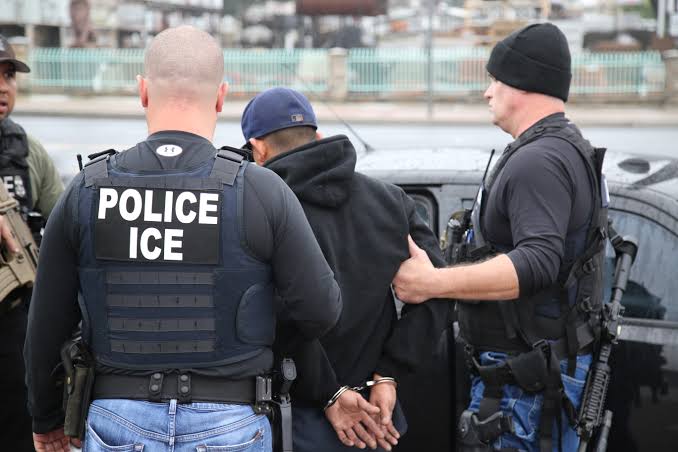
Immigration and Customs Enforcement (ICE) and Customs and Border Protection (CBP) officers are increasingly using smartphone facial recognition tools in field operations, including during stops of civilians in U.S. cities like Chicago. Videos reviewed by 404 Media show officers using phone cameras to scan individuals’ faces to verify their identities, often without clear justification beyond appearance.
The technology appears to be part of a system called Mobile Fortify, which connects to a database of over 200 million images from multiple government sources. According to leaked documents, the app enables agents to scan fingerprints or faces using their phones to retrieve personal details such as name, date of birth, and immigration status.
Civil rights advocates have condemned the practice as invasive and unconstitutional. “From these videos it seems like ICE has started using live face recognition in the field,” said Allison McDonald of Boston University. Matthew Guariglia of the Electronic Frontier Foundation warned that the technology “is dangerous, invasive, and an inherent threat to civil liberties.”
While CBP confirmed the use of Mobile Fortify, the Department of Homeland Security declined to comment on specific enforcement methods. Critics, including House Homeland Security Committee ranking member Bennie G. Thompson, called the app “a dangerous tool in the hands of ICE,” warning that it could lead to wrongful detentions of U.S. citizens.
Privacy advocates have urged Congress to impose stricter regulations on law enforcement’s use of surveillance technology to protect Americans’ rights and freedoms.