
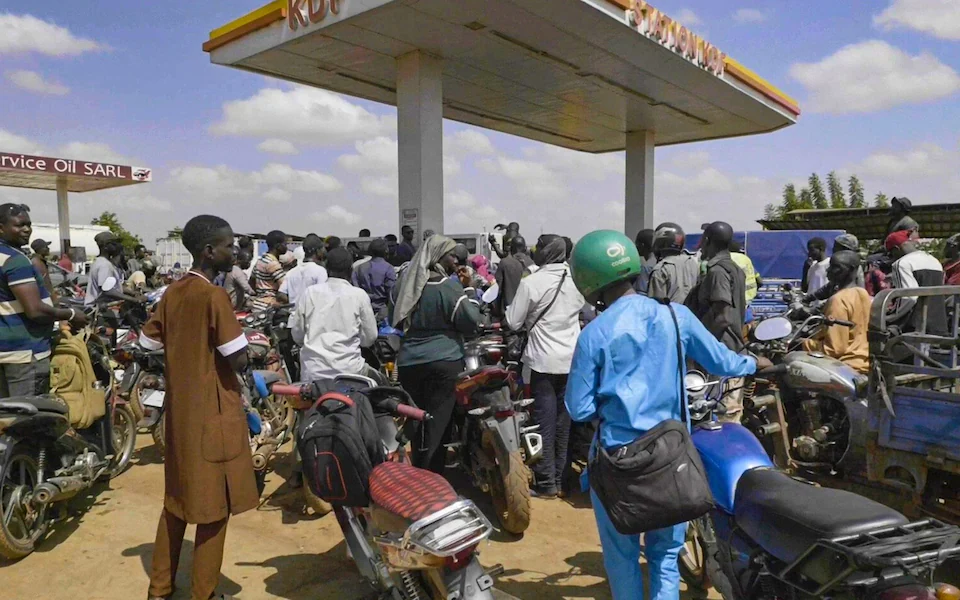
An al-Qaeda-linked group, JNIM, has crippled Mali with a fuel blockade and rising attacks, pushing the nation toward an economic and political collapse.
Al Qaeda militants are moving closer to seizing the capital of the West African nation of Mali, which, should the city fall, would become the first country in the world run by the U.S.-designated terrorist group https://t.co/u4HCnbPjjy
— The Wall Street Journal (@WSJ) November 1, 2025
An al-Qaeda-linked group, Jama’at Nusrat al-Islam wal-Muslimin (JNIM), has intensified its campaign in Mali, imposing a fuel blockade that threatens to paralyze the nation’s capital, Bamako. The militants have reportedly halted fuel deliveries to major cities, blocked key roads, and attacked fuel convoys entering from neighboring countries.
The blockade has caused severe shortages across the country. Petrol stations are empty, transportation has nearly stopped, and power supplies are dwindling. Schools and universities have been shut down as the government struggles to contain the crisis. The military junta, which came to power in 2021, has faced increasing criticism over its failure to protect vital infrastructure.
Security analysts warn that the situation mirrors strategies used by the Taliban in Afghanistan, suggesting JNIM aims to expand its control by cutting off economic lifelines. “We are anticipating that the security situation will continue to deteriorate over the coming weeks,” said Jessica Trachias of International SOS.
The worsening insecurity has prompted foreign embassies to evacuate staff, with the United States Embassy in Bamako urging citizens to leave the country immediately.
Experts believe the blockade is part of a broader strategy to destabilize the government and gain leverage over Mali’s central regions. For many Malians, daily life has ground to a halt, with basic necessities like fuel, food, and electricity becoming scarce. As fears grow that Bamako could fall under militant influence, international concern over Mali’s stability has reached new heights.