
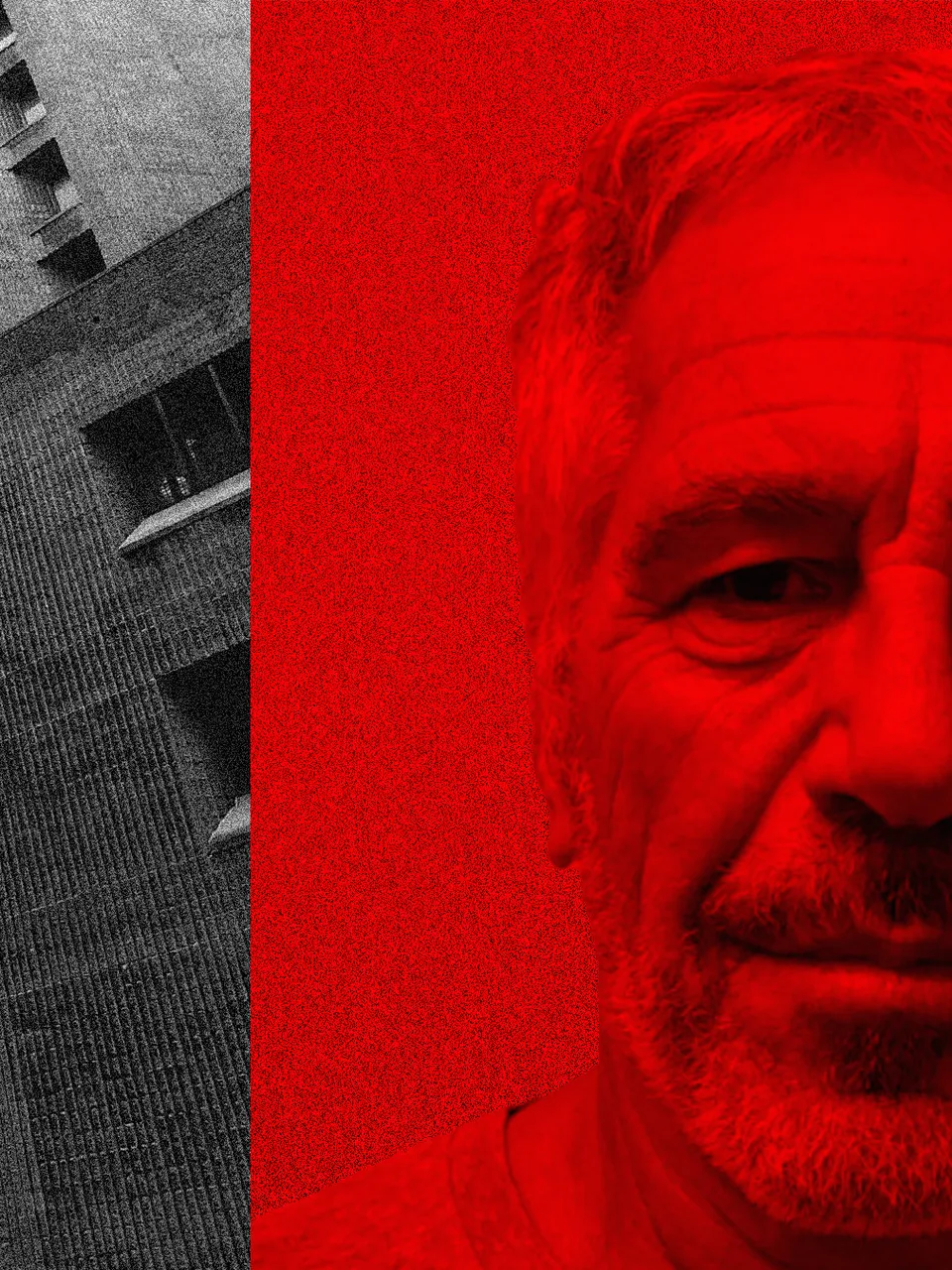
Newly revealed memos and testimony show conflicting accounts of Jeffrey Epstein’s first alleged suicide attempt, fueling ongoing questions about the circumstances leading to his death.
NEW YORK — Newly obtained documents and staff memos raise fresh questions about Jeffrey Epstein’s first alleged suicide attempt at the Metropolitan Correctional Center weeks before his death, suggesting uncertainty over whether he was attacked, attempted suicide, or staged the incident.
At 1:27 a.m. on July 23, 2019, corrections officers found Epstein lying unresponsive on the floor of his cell with an orange fabric noose around his neck. His cellmate, former police officer Nicholas Tartaglione—awaiting trial for four murders—insisted he tried to save Epstein, a claim Epstein initially disputed.
In one report, Epstein told officers he thought Tartaglione had tried to kill him, citing threats and attempted extortion. He later denied that, saying he could not remember what happened.
Placed on suicide watch for 31 hours, Epstein exhibited erratic behavior, at one point leaning forward as if to fall headfirst, before insisting he was “too much of a coward” to kill himself.
The jail’s psychologist later speculated the event was either a rehearsal, manipulation, or an assault.
Nine days after Epstein’s return to a single cell, he was found dead. Officials ruled his death a suicide, but the earlier incident remains clouded by contradictions and missing evidence.