
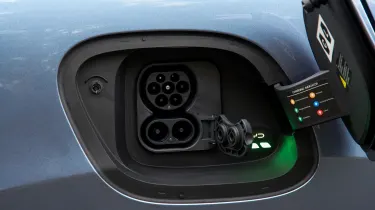
British military and intelligence contractors are advising employees against connecting mobile phones to Chinese-made electric vehicles, citing concerns that Beijing could exploit vehicle technology to steal sensitive national security data. The warnings follow recent Ministry of Defence restrictions on such vehicles near sensitive sites.
LONDON – British companies operating within the UK’s military and intelligence sectors are advising staff against connecting personal mobile phones to Chinese-manufactured electric vehicles (EVs) due to fears over potential espionage and data theft by Beijing.
Executives from leading defence contractors have indicated a sector-wide “cautious” and comprehensive approach to the perceived threat of the Chinese state accessing sensitive national security data via increasingly popular Chinese EVs. This follows recent reports that the Ministry of Defence (MoD) has banned cars reliant on Chinese technology from certain military sites, sometimes requiring staff to park miles away.
The heightened security posture within the defence industry, involving major players like BAE Systems, Rolls Royce, and others, comes as UK consumers increasingly purchase affordable Chinese EVs from brands such as BYD, MG, and the Chinese-owned Volvo and Polestar.
Precautions advised to staff include refraining from connecting phones via Bluetooth or charging cables within the vehicles, avoiding work-related discussions inside the cars, and potentially parking them away from production facilities.
One UK defence firm executive stated: “The sale of Chinese cars is growing in the UK, and we are, rightly, cautious about that. We are making our staff aware of the sensible precautions to take if they choose to buy a Chinese EV.”
Another defence source elaborated on the potential risks: “Not only could your car download your journeys, but it could also scrape your text messages, voicemails, and even sensitive work documents from your mobile. That’s the sort of information the Chinese state might like to get its hands on, so it’s just sensible that the industry takes a belt and braces approach to that threat.”
Experts like Joseph Jarnecki from the Royal United Service Institute consider the measures a “reasonable risk management approach,” given that defence firms are “incredibly high value in terms of espionage targets.” However, others, like cyber security expert James Bore, remain skeptical about the immediate danger, stating, “I am yet to see any evidence that there is malicious software being spread by Chinese cars.” Chinese EV manufacturer XPENG denied its cars spy on drivers, asserting full compliance with UK and EU data protection laws.
The Society of Motor Manufacturers and Traders (SMMT) emphasized that all vehicles sold in the UK must adhere to data privacy regulations. A UK Government spokesperson noted ongoing work on international regulations to counter potential vehicle cyber threats.