
Chronic stress can cause a variety of symptoms and affect your overall well-being. Symptoms of chronic stress include irritability, anxiety, depression, headaches, and insomnia.
By OLUFUNKE
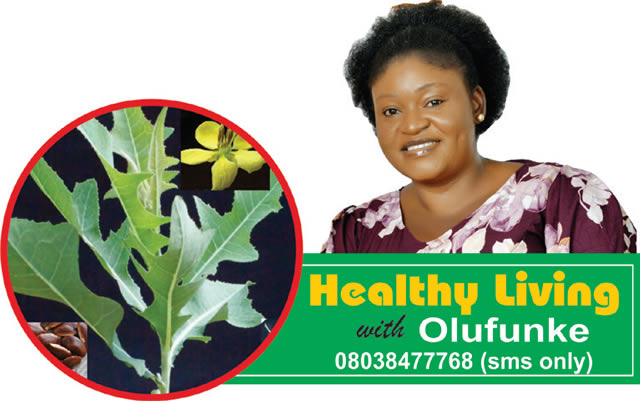
Recently, one of my mother’s friends shared with me how efo ebolo, botanically known as Crassocephalum crepidioides, healed her daughter-in-law’s kidney disease. She was eating it as vegetable soup and also boiling it and taking the water as tea.
On one of the daughter-in-law’s visits for her check-up, the doctor gave her a clean bill of health!
Out of curiosity, the doctor asked her what she did. My mother’s friend said her daughter-in-law brought out all the medications given to her and told the doctor that she never used them, that it was efo ebolo, introduced by her mother-in-law, that did the magic.
My mother’s friend said the doctor was shocked and got her phone number from the daughter-in-law, and they talked.
Who would have believed that a vegetable that grows in the wild during the rainy season without being planted by anyone could heal the kidneys?
The world is endowed with a rich heritage of medicinal plants, and it is a good thing that many people now find themselves turning back to the medicinal plants that started it all. Most of the pharmaceutical products currently dispensed by physicians have a long history of use as herbal remedies. A large percentage of drugs considered “basic and essential” by the World Health Organisation are “exclusively of flowering plant origin.”
The power of nature is on our side, and these herbal choices are available to complement our health practices. Medicines and prescriptions do not have to be the only approach to healing. Herbal medicine should be given a chance to thrive.
Let me paint a scenario: you are sitting in traffic, late for an important meeting, watching the minutes tick away. Your hypothalamus, a tiny control tower in your brain, decides to send out the order: send in the stress hormones!
These stress hormones are the same ones that trigger your body’s “fight or flight” response. Your heart races, your breath quickens, and your muscles ready themselves for action.
Stress, whether physiological, biological, or psychological, is an organism’s response to a stressor, such as an environmental condition or a change in life circumstances. When stressed by stimuli that alter an organism’s environment, multiple systems respond across the body.
It is a natural physical and mental reaction to life experiences. Everyone experiences stress from time to time. Anything from everyday responsibilities like work and family to serious life events such as a new diagnosis, war, or the death of a loved one can trigger stress.
In humans and most mammals, the autonomic nervous system and the hypothalamic-pituitary-adrenal axis are the two major systems that respond to stress. Two well-known hormones that humans produce during stressful situations are adrenaline and cortisol.
Stress can be beneficial to your health in immediate, short-term situations and can help you cope with potentially serious situations. Your body responds to stress by releasing hormones that increase your heart and breathing rates and prepare your muscles to respond.
Yet if your stress response does not stop firing and these stress levels stay elevated far longer than is necessary for survival, it can take a toll on your health.
Chronic stress can cause a variety of symptoms and affect your overall well-being. Symptoms of chronic stress include irritability, anxiety, depression, headaches, and insomnia.