
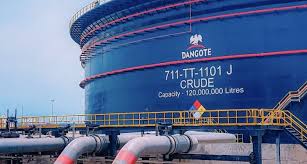
With over 4,000 CNG-powered tankers and free logistics support, Dangote’s move aims to eliminate inefficiencies in Nigeria’s fuel distribution chain.
by Nij Martin
On August 15, 2025, something big is about to shift in Nigeria’s oil and gas sector—and it could ripple across the entire economy. Dangote Refinery, Africa’s largest refinery with a massive 650,000 barrels-per-day capacity, has announced it will begin directly supplying petrol (PMS) and diesel (AGO) to major users across Nigeria. No more middlemen. No more delays. Just direct access—straight from the source.
This is more than a business decision; it’s a major shake-up with wide-ranging implications.
For decades, petroleum marketers have played a central role in moving fuel from refineries to end users. But Dangote Refinery is breaking with tradition. From manufacturers and telecom firms to the aviation industry and petrol stations, heavy users can now buy fuel directly from the refinery—with free logistics included. Dangote is also rolling out 4,000 CNG-powered tankers and investing in a national network of CNG booster stations to support seamless delivery.
Why does this matter?
First, fuel prices could drop significantly. Without middlemen adding their markup, and with the refinery absorbing logistics costs, large businesses can cut operating expenses. For manufacturers and airlines, this could translate into cheaper goods and services. For everyday Nigerians, it might help ease inflation—especially since fuel prices often influence the cost of almost everything.
Second, Dangote is offering credit terms: Buy 500,000 litres, and you can get another 500,000 on credit for two weeks, under bank guarantee. That’s a huge win for businesses struggling with cash flow.
But let’s not overlook the risks.
This move effectively sidelines traditional petroleum marketers—many of whom have built infrastructure and logistics networks over years. Job losses, business closures, and legal pushback could follow. And as Dangote tightens its grip on refining and distribution, monopoly concerns will surely grow.
Still, this initiative fits squarely within President Bola Tinubu’s Renewed Hope Agenda, which aims to stabilize the economy and encourage private sector leadership. If managed well—with strong regulation to prevent market abuse—this could mark the beginning of a new era in Nigeria’s downstream sector.
More than just a fuel deal, this is about efficiency, access, and economic transformation. Whether it delivers on that promise will depend on execution, transparency, and how the rest of the industry responds. But one thing’s clear: change is coming—and it’s rolling in on 4,000 CNG-powered tankers.