
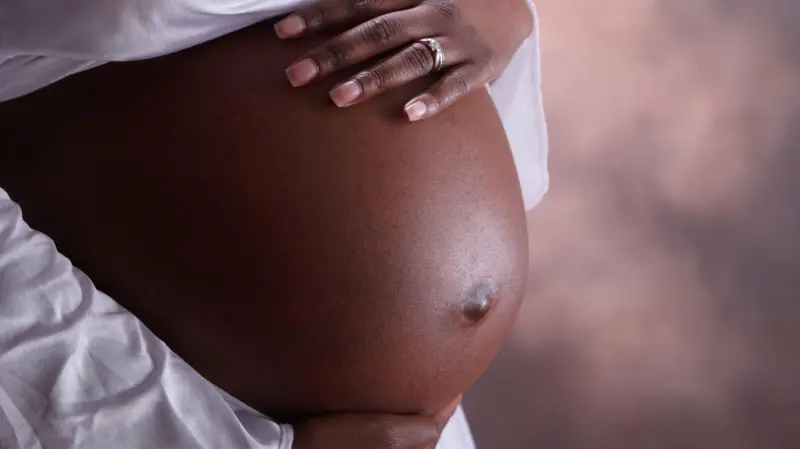
“I had no strength left, I had nothing left,” says Nafisa Salahu, whose baby died after a three-day labour during a doctors’ strike.
At 24, Nafisa Salahu nearly died in labour during a doctors’ strike in northern Nigeria. “I had no strength left, I had nothing left,” she told the BBC. Her baby did not survive.
Nigeria remains the most dangerous country to give birth, with one maternal death every seven minutes. In 2023 alone, an estimated 75,000 women died in childbirth—29% of global maternal deaths.
Causes range from postpartum haemorrhage and obstructed labour to a dire lack of trained professionals. “The blood they had wasn’t enough,” said Henry Edeh, whose sister bled to death in Onitsha.
Only 5% of Nigeria’s budget goes to health. Many women, especially in rural areas, rely on unsafe alternatives. “No healthcare worker was available to help me,” said Jamila Ishaq, who gave birth at home.
The government’s new Mamii initiative aims to reduce deaths, but UNICEF says success hinges on long-term investment and oversight.
“In my lone time, when she crosses my mind. I cry bitterly,” Edeh added.