
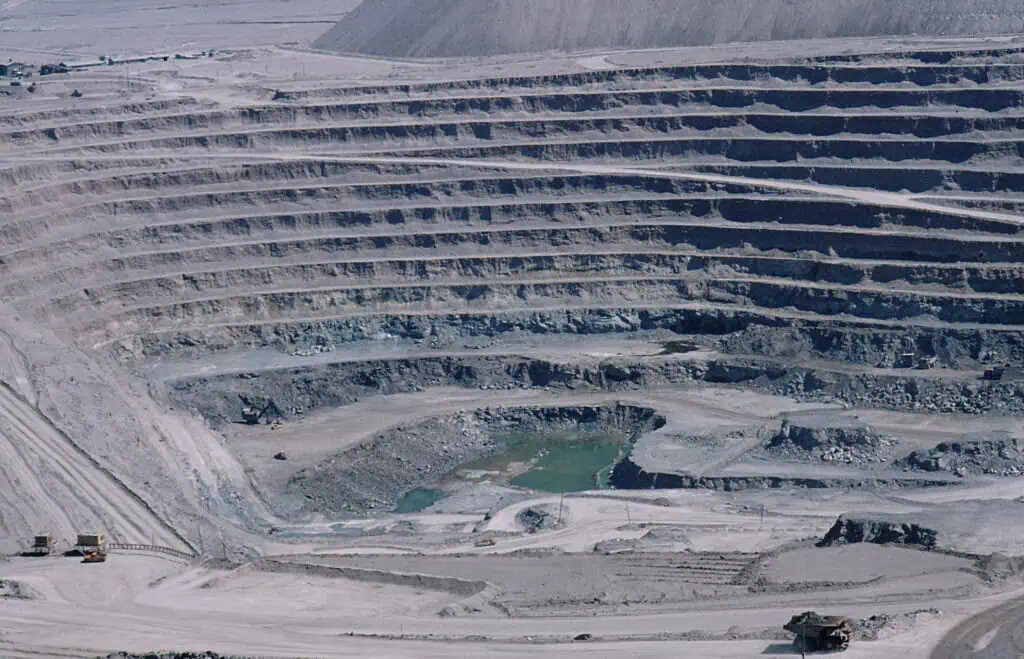
A new study reveals that U.S. mining waste contains enough critical minerals to eliminate import dependence, but recovering them will require major technological and policy reforms.
A new study by researchers at the Colorado School of Mines has found that the United States produces enough critical minerals from existing mine waste to end its reliance on imports — if it could recover them efficiently.
The research, led by mining engineer Elizabeth Holley, analyzed data from 54 active metal mines and discovered that mine waste holds large quantities of lithium, cobalt, manganese, gallium, and other rare earth elements crucial for electric vehicles, renewable energy technologies, and defense systems. “We’re only producing a few commodities,” Holley said. “The question is: What else is in those rocks?”
According to the study, U.S. mine waste from just one year contains enough lithium to power 10 million electric vehicles and enough manganese for 99 million. Holley described the lost value as “staggering,” comparing recovery efforts to “getting salt out of bread dough.”
While even 1 percent recovery could “substantially reduce” import dependence, the report notes that extracting these minerals is technically complex and economically risky. Holley urged more government incentives and research funding to make recovery feasible.
“The minerals are already here,” she said. “We’re just letting them slip through our fingers.”