
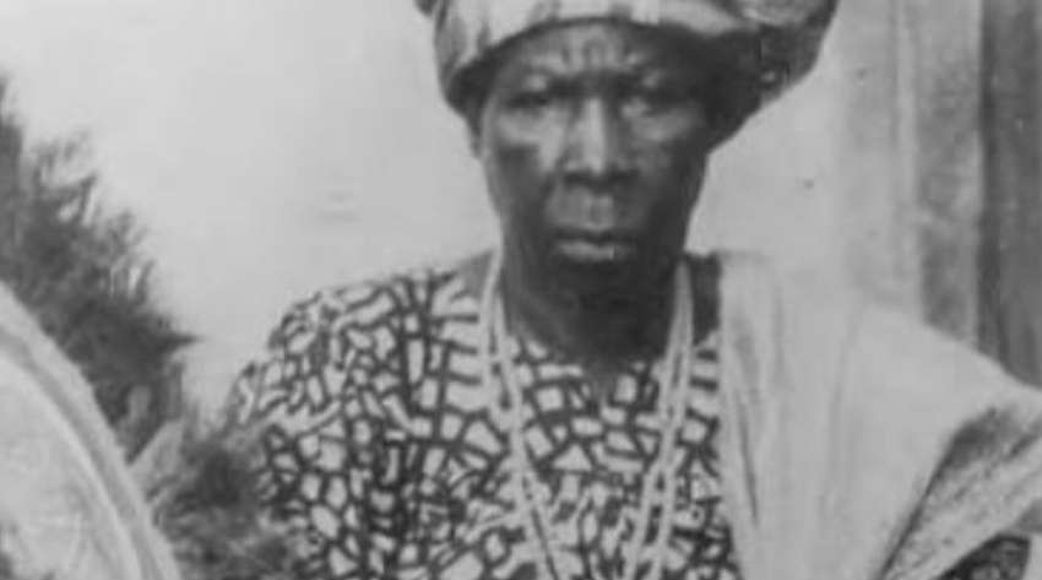
During her forced exile, Ahebi became a commercial sex worker and used this work to her advantage by aligning herself with powerful men such as the ruler of Igala, and British colonial officials
Ahebi Ugbabe carved her name into history as Nigeria’s first and only female king during the colonial era, shattering rigid gender barriers. Born in the late 19th century in Enugu-Ezike, an Igbo community, her early life was marked by adversity. As a teenager, she was exiled after being chosen as a deity’s bride—a punishment (igo ma ogo) for her father’s alleged sins. Forced to flee to Igalaland, she turned survival into strategy, leveraging relationships with powerful figures, including Igala rulers and British officials.
During her exile, Ahebi worked as a commercial sex worker, a role she transformed into a stepping stone for influence. Fluent in Igala, Nupe, and Pidgin English, she navigated colonial politics with sharp wit. Her return to Enugu-Ezike saw her ascend as a warrant chief—a British-imposed role—making her the first woman to hold such authority. She further defied tradition by performing male-exclusive rites, including leading masquerades and marrying wives, a practice reserved for men.
Ahebi’s reign challenged Igbo patriarchal norms, but her rule was not without controversy. While celebrated as a feminist icon, some criticized her collaboration with colonial powers. Yet, her story endures as a testament to resilience. As scholars note, her life (“She shattered gender norms”) remains a bold footnote in Nigeria’s history, proving that even in oppression, defiance could rewrite destiny. Her legacy continues to inspire debates on gender, power, and colonialism in Africa.