
We are tired of the shame of having our Presidents die in foreign hospitals, only to have their bodies flown home for burial.
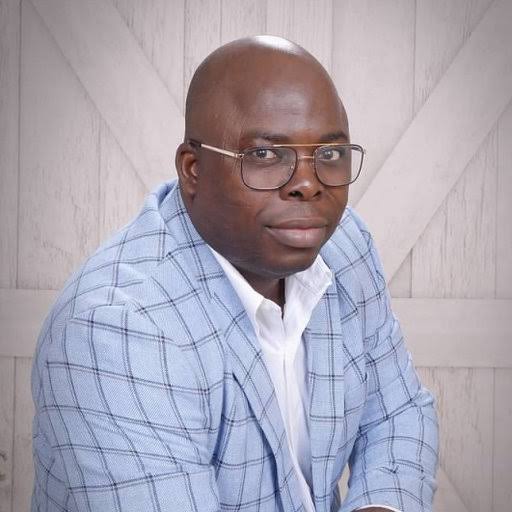
By OLARINRE SALAKO
Family members of the late President Buhari and millions of Nigerians said their final goodbyes to him yesterday as he was committed to earth — the final destination of all human flesh. Adieu to a leader who committed a significant portion of his life to selfless service to the nation.
Now, let us reflect as a nation.
President Buhari’s legacy will be narrated and debated by historians for years to come. I will not dwell on that here. However, one aspect of his life worth mentioning is his remarkable spartan self-discipline. I once heard that a notable Nigerian businessman acknowledged Buhari as the only Nigerian leader who never asked him for personal business favors.
Yet, while self-discipline is a vital trait, it does not by itself make one a transformational leader. Such self-discipline must be combined with deep intellectual curiosity — the kind that comes from being widely read — and must be integrated with a clear, transformative vision. It must also be paired with the ability to articulate practical pathways to achieve that vision, and the wisdom to recruit capable people to implement it.
Nigeria needs transformational leaders — men and women who can lead people to turn chaos into order. Leaders who turn personal misfortune into fortune for millions. Their own unpalatable experiences become the fuel that drives them to solve problems for others.
This is why, at this point in our history, it is important for President Bola Tinubu — and indeed all who lead or desire to lead Nigeria — to learn from the example of Franklin D. Roosevelt, the 32nd President of the United States.
Consider the story of the polio vaccine — a lesson in turning personal adversity into national good.
Franklin D. Roosevelt contracted polio in 1921 and understood its devastating impact firsthand. In 1938, as a sitting President, he founded the National Foundation for Infantile Paralysis — later known as the March of Dimes — to raise funds for polio research and treatment. This foundation played a crucial role in funding Dr. Jonas Salk’s development of the first successful polio vaccine.
Despite his paralysis, Roosevelt served as American President for 12 years — from 1933 to 1945 — the longest tenure in U.S. history, leading the nation through the Great Depression and World War II.
Though he did not live to see the vaccine become available during his presidency, Roosevelt laid the strong foundation that made it possible. When the vaccine was finally achieved in 1955, President Dwight D. Eisenhower ensured it was licensed, funded, and rapidly distributed to millions of American children.
Thanks to these acts of leadership, polio vaccines have saved millions of lives worldwide — including countless lives here in Nigeria.
Yet, in Nigeria, we often do not know the health conditions of our leaders. It is natural for every human being to face illness, no matter how healthy they try to live. As long as an illness does not impair a leader’s cognitive function, they can still serve effectively. There should be no shame in letting the people you lead know your state of health. Roosevelt’s polio paralysis did not weaken him; it strengthened public trust in his commitment to eradicate the disease that shaped his life.
Today, we do not know what ailments President Tinubu suffers from. But even if he chooses not to disclose them, it would be far more beneficial for him — and for Nigeria — to establish a world-class medical research and treatment center for such conditions here at home. He must stop seeking medical treatment abroad.
Let him build such a legacy with an urgency greater than that given to the Lagos-Calabar highway.
We are tired of the shame of having our Presidents die in foreign hospitals, only to have their bodies flown home for burial. It is far more dignifying — and far more inspiring — for a king to live and die among his people.
Nigeria needs leaders who can turn their personal battles into public good.
May we, in bidding Buhari farewell, remember that what matters most is not just discipline — but the courage to use one’s own story to transform the lives of others.
Olarinre Salako, Ph.D., writes from Texas, USA.